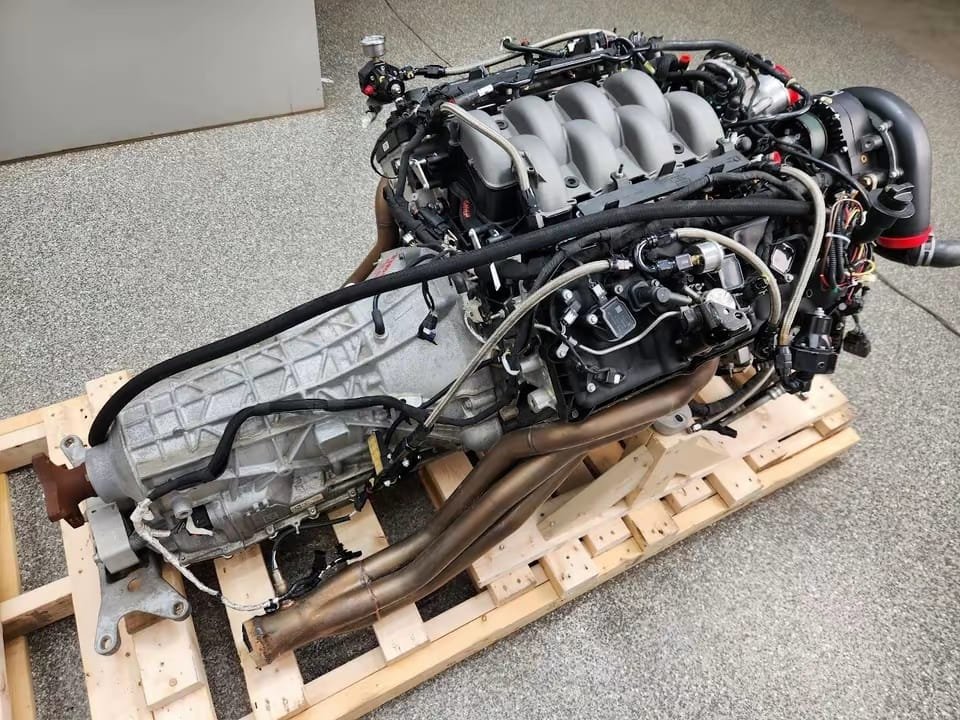
A car engine is among the most complex systems in a vehicle. It consists of many interconnected components that must operate in perfect harmony to burn fuel and transform the heat energy produced into mechanical power that drives the wheels. As the engine ages, wear and tear can cause certain parts to fail, making it necessary to replace specific components or, in some cases, the entire engine to maintain performance and reliability.
Car Engine Overview
Types of Car Engines
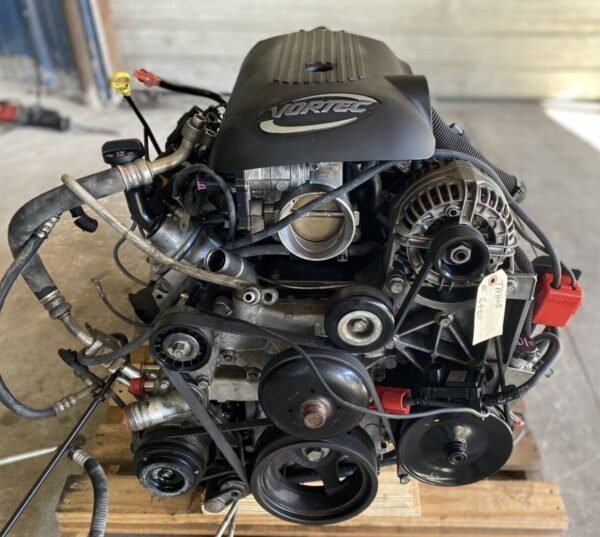
It is important to be aware of what engine type your car requires when buying a used engine. While it is sometimes possible to swap out one engine type for another, it is best to buy a replacement engine that is designed specifically for your car’s make and model.
Engine types can be broadly classified by the engine layout and cylinder configuration, which largely determine the engine’s power output and fuel efficiency.
Engine Layout
The layout of an engine refers to the number and arrangement of cylinders. The most common is the straight (inline) engine, which has the cylinders placed vertically in a line parallel (straight) or perpendicular (inline). An inline layout is able to save on space and can usually be found in entry level cars, while the straight layout can accommodate more cylinders and thus have more power.
Another layout is the flat engine, which has cylinders positioned horizontally. These are more expensive, but the cylinders are able to evenly cool while its low center of mass provides better handling.
browse our collection
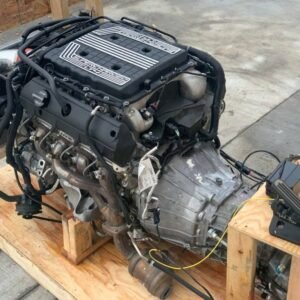
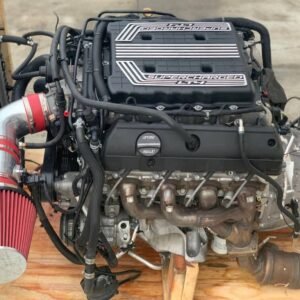
Engines
$5,500.00
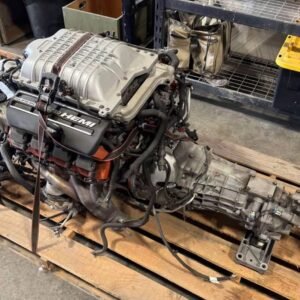
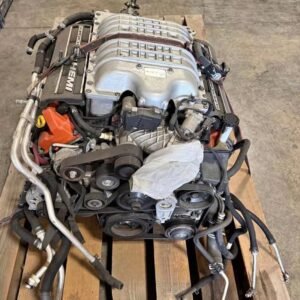
Engines
$7,000.00
$4,500.00
Uncategorized
$4,399.00
Engines
$750.00
Engines
$2,000.00
Engines
$5,800.00
$6,299.00
Parts of a Car Engine
While not all engine parts are easily replaceable, you might be able to save money if a failing part costs less to replace than buying an entire used car engine.
Knowing the various parts of your car’s engine can go a long way to helping you diagnose problems yourself, or understand your mechanic’s diagnosis when you take your car into the shop.
Engine Block and Cylinder Head
The engine comprises two main parts, the engine block and cylinder head. The engine block serves as the engine’s casing, supporting other parts as well as dissipating heat to the surrounding air and engine coolant.
The cylinder head is the upper cover that controls fuel and air inflow and outflow into and out of the cylinders. The cylinder head additionally aids in the cooling process by channeling coolant into the engine block.